According to Bloomberg reports, Amazon’s looking to build a home robot. Its hardware division, Lab126, is apparently working on some sort of domestic droid, code-named “Vesta” after the Roman goddess of the hearth, home and family. It seems the project has been a long time coming but recently Amazon ramped up hiring engineers with robotic skills. The household robot could be trialed in employees’ homes later this year and sold to consumers as soon as 2019.
It’s not really a surprise that robots will be coming to the home. Despite the growth of smart appliances, consumers have been slow to adopt due to the price, length of a lifecycle and question of value.
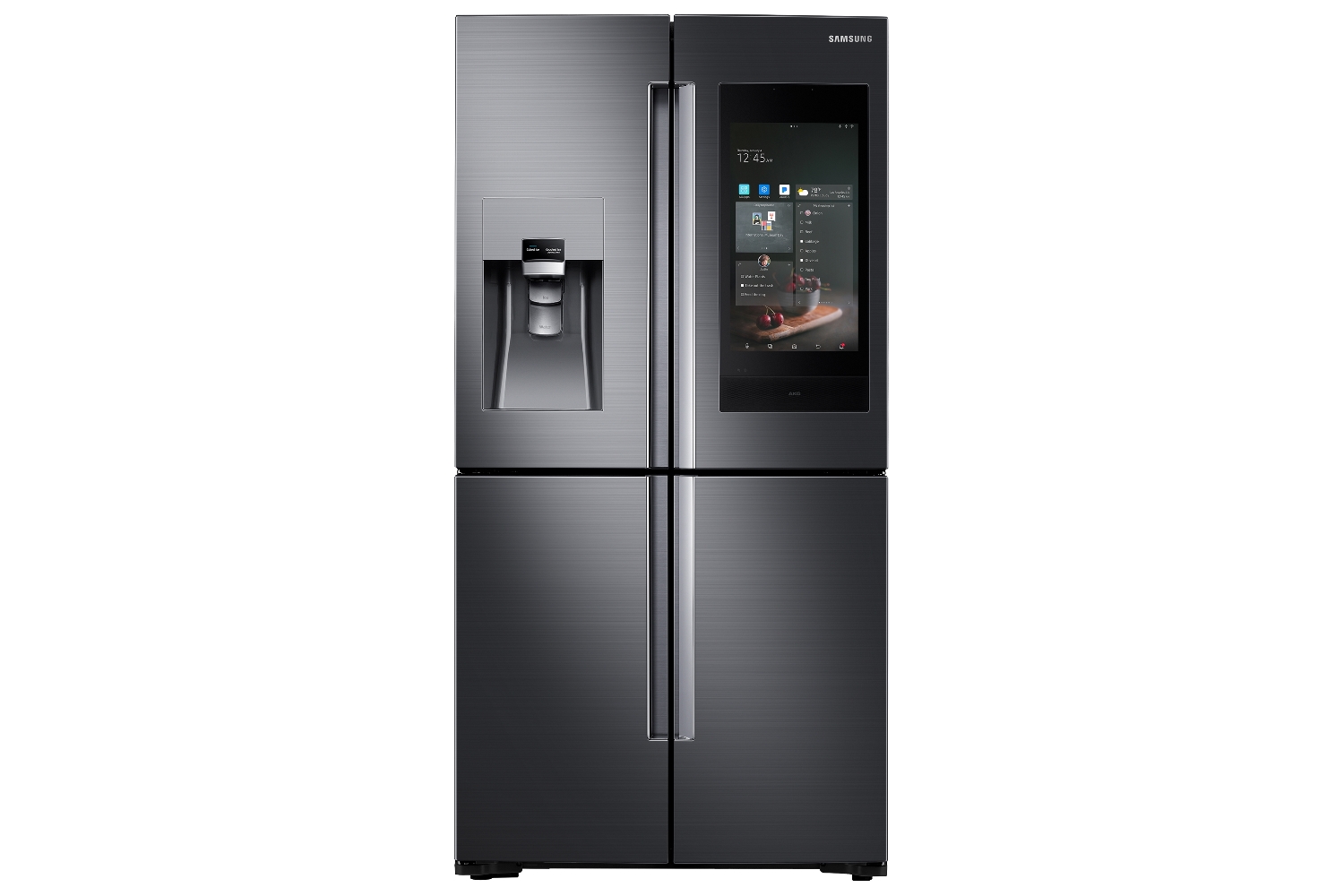
According to Natalia Andrievskaya, global director for major appliances at GfK, the market has shifted from a push to a pull in recent years, however, “consumers are unclear how to identify the value of [smart] product features, many of which seem aspirational rather than useful.”
So this makes the idea of a friendly robot rolling around your home a lot more plausible. Hotels and resorts have been implementing robots and AI for a while now. Many believe the hotel industry will lead the way in human-robot interaction and future robot design.

Starting this fall Pepper the robot will start a trial as a care-giving robot. truthfully, there aren’t enough workers to meet the demands of the skyrocketing number of elderly people needing care and companionship around the world.

Amazon may be one of the first prominent tech companies to seriously embark on the quest for a domestic robot, but the tech giant already has competition.
What is VUX technology for the kitchen?

Kuri the Home Robot received good reviews from the 2018 CES show. With funding from Bosch’s Startup Platform, Mayfield Robotics has been able to offer a robot for $899 that offers pet-like companionship.
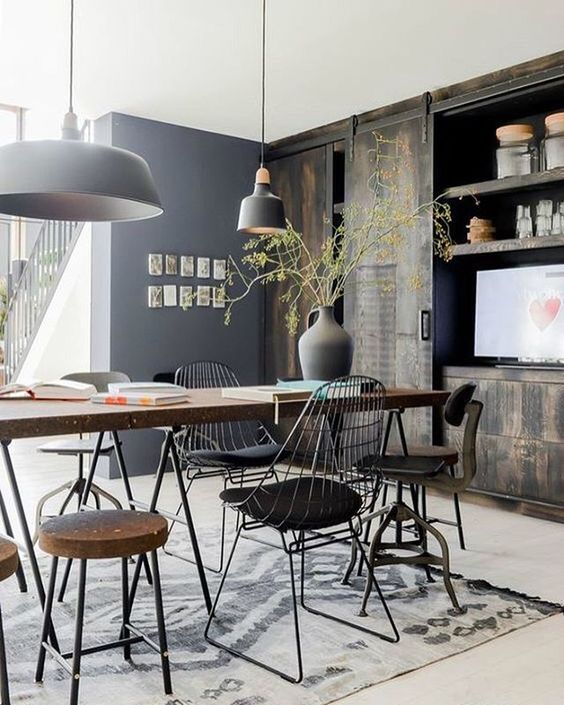
For the future, designers will be challenged to create spaces that are compatible to robot movements. Not only will the robot need to navigate the home, it will also need to successfully maneuver around piles of laundry, school backpacks and sleeping pets.

Storage will be another design consideration designers will have to face. Where will these robots recharge? Will they be stored next to other machines such as this LG Styler or the Japanese robot that folds laundry?
Another obstacle I see will be the future need for electronic doors triggered by Wi-Fi, Bluetooth or motion sensors. Homes are not currently wired for electronic doors and adding battery packs may be too cumbersome an obstacle for many homeowners to overcome just to make a small area robot accessible. But, for the early adopters who can drop $20,000 on a Pepper, what’s a little remodeling?
I really kind of adore the pet-like characteristics of robots – I mean who doesn’t want a BB-8 or an Aibo robotic dog? Like most American’s I am leery about privacy issues and having one company gain so much data on my preferences and habits. Where do you weigh in?